

Formed by Time

I wrote this essay a few years ago. This week, it came to mind when reading Lore Ferguson Wilbert’s book The Understory: An Invitation to Rootedness and Resilience From the Forest Floor. (I highly recommend it.) I needed this reminder of time. I hope it might also be a gentle invitation and reminder for you.
“but BEing time is never wasted time. When we are BEing, not only are we collaborating with chronological time, but we are touching on kairos, and are freed from the normal restrictions of time.”
―Madeleine L'Engle, Walking on Water: Reflections on Faith and Art
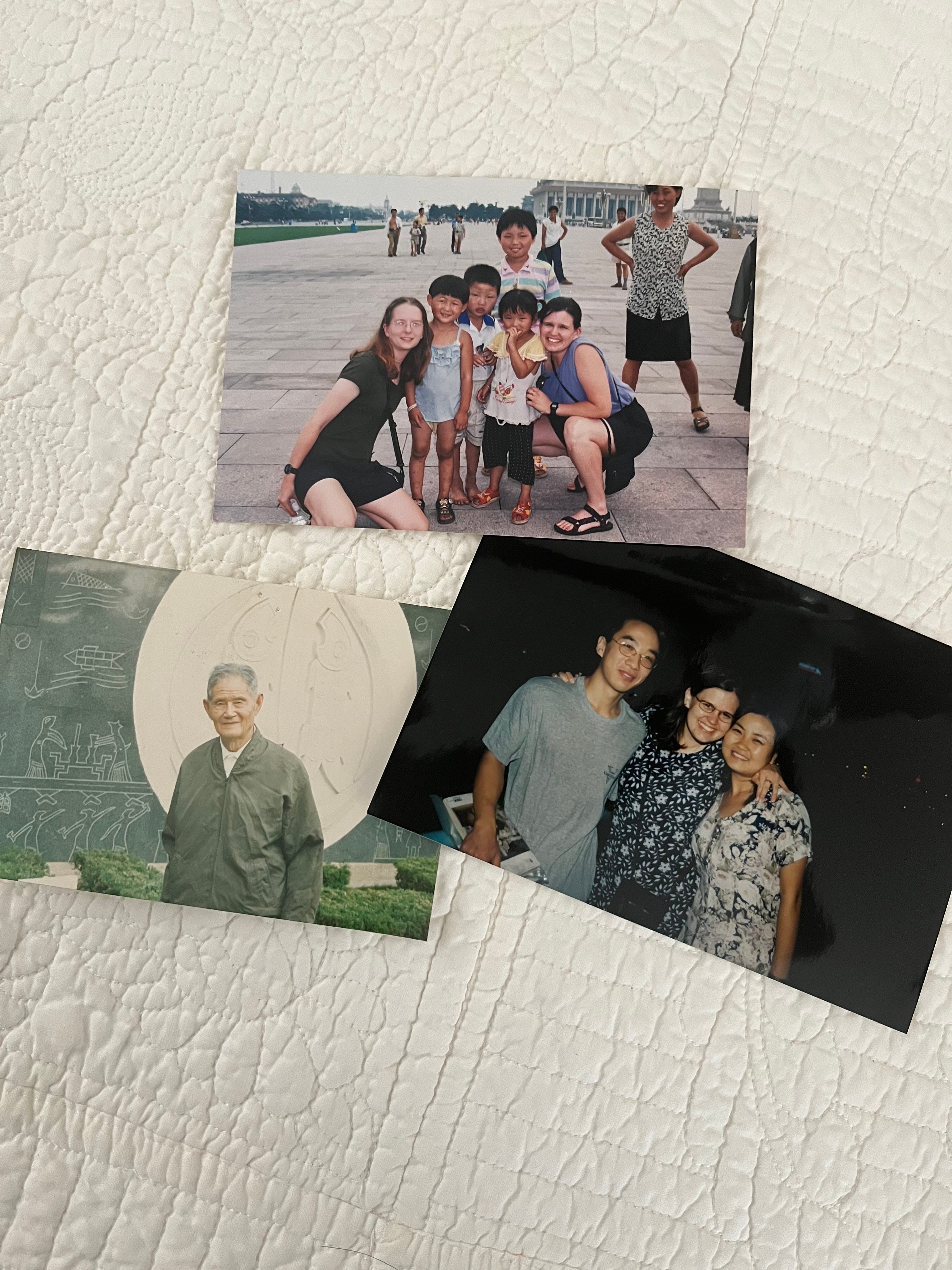
When I was 22 and fresh out of college, I lived on the edge of The Children’s Park in Qingdao, China. This park was a community gathering space. If you are picturing green lawns, children's play areas, and tennis courts, it wasn't that kind of park.
The park was paved.
It had a massive set of broad steps.
A worn dirt path was cut through some scraggly trees.
The trees were small and not very vibrant; the ground from which they grew was hard-packed dirt.
There were random stone animals to the side of the path.
But, this park, for all the beauty, it lacked-held magic.
The park came alive as soon as the sun rose. In my mind, the sun rose at 5 a.m. (a quick Google check confirms my memory!)
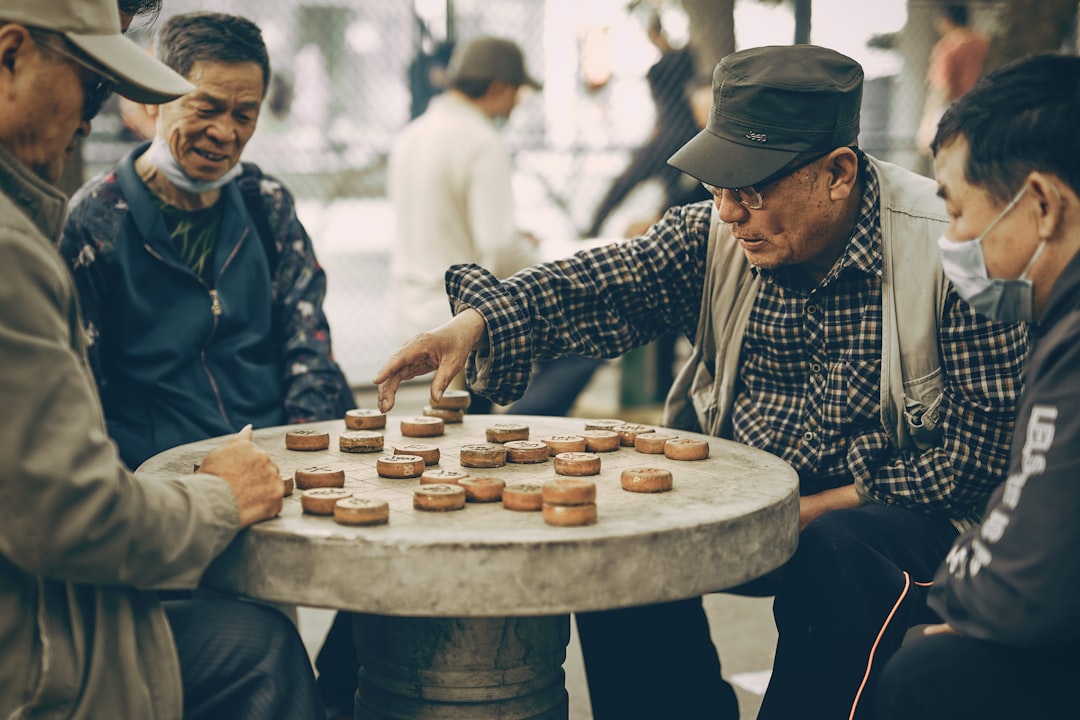
In a corner pavilion near the main entrance by the CCTV studio, a group of men and women gathered for ballroom dancing. Someone brought a record player or tape deck to provide the music. Another group on the opposite side practiced the impossibly slow, refined movements of Tai Chi. Still, other people slowly (so slowly) walked the giant set of stairs that dominated the park. Groups of men squatted, as Chinese men are known to do, and started their gambling, smoking, and gossiping early.
At the top of the steps, Chinese grandmothers did their morning stretches along the dirt path. Each woman had her favorite tree. The stretching included lifting a foot above her head and placing it in the Y of the tree. (remarkable flexibility!)
The faint smell of hot grease, boiling noodles, and thin Chinese egg crepes with fragrant garlic and onion wafted from the breakfast vendor carts at the park entrances.
It was a total vibe.
After the word choice in one of my favorite songs jolted me into a new awareness, I started thinking about the Chinese park. The second line in "Cover Me In Sunshine" (by Pink!) is: "I've got so much time to kill."
Time to kill! It's a common phrase. I've heard it a million times, yet I heard it for the first time!
I made a list of all the ways we talk about time.
We spend time, we waste time, we spare time, we make time, we have time (or don't), and, of course, we kill time.
As I made my list, I started thinking about these words' spark, vitality, and enlivening energy.
How does how we talk about time tell us how we view time?
What is time?
Why do we use such aggressive, assertive, and even violent words to describe the flow, pace, and utter gift and grace of our short embodied experience?
Of course, these are huge questions that philosophers from ancient to modern times debate. Maybe, for our purposes, just noting how we talk about time will invite us to consider a different relationship to time.
The Greek concepts of chronos and kairos seem to provide a helpful framework. Both of these words refer to time but encompass different approaches and experiences of time.
Chronos is the clock's tick; it measures the passing of our days through minutes and hours. It refers to the managing and subduing of time in service of our lives. We kill, spare, and spend Chronos time.
Kairos is a little more interesting! It's timeless. It's the right thing or opportunity happening at the right time. It's presence in the moment. Kairos refers to when an archer releases the arrow from the bow, and time slows down. At that moment, it's just the archer, the bow, the target, and the arrow—total absorption in the present.
… There's something freeing about dropping our full hands before kairos. We should consider learning to stand in our present circumstances and finding the courage to ask, "What is time for?" And then to take the time to listen and to act.
Enuma Okoro, "A Brief History of Time", Financial Times Weekend, 6-7 February, 2021
As I thought about time in the context of our language, I kept returning to The Children’s Park in Qingdao, China. The men and women who got up early every day to go to the park weren't killing time; they weren't wasting time or even spending time.
What happened each morning in the park was kairos time. The enlivening energies were living, savoring, experiencing, breathing, communing, and flowing. Crossing the park's threshold was entering kairos time. That's probably why, over twenty years later, the park is just as vibrant, in my mind, as it was then.
The words we use matter. Do I still say, “Spend time, kill time, waste time?” Yes! It's a hard habit to break! I'm trying to notice the ways that I quantify and describe time.
The words we use to describe end up describing us. When I experience time as infinite, available, and a grace-filled gift, that is the energy from which I live, move, and have my being.1
When time becomes limited and scarce, and something I need to hoard, protect, and overpower. That energy and viewpoint become the energy and lens through which I live, breathe, and have my being.
I’m so thankful for the men in Mao suits and the Chinese grandmothers with their legs in trees (how do they do it?), who showed me what living kairos looks like; it’s active, vibrant, flowing, and fully present.
A Kairos Blessing…
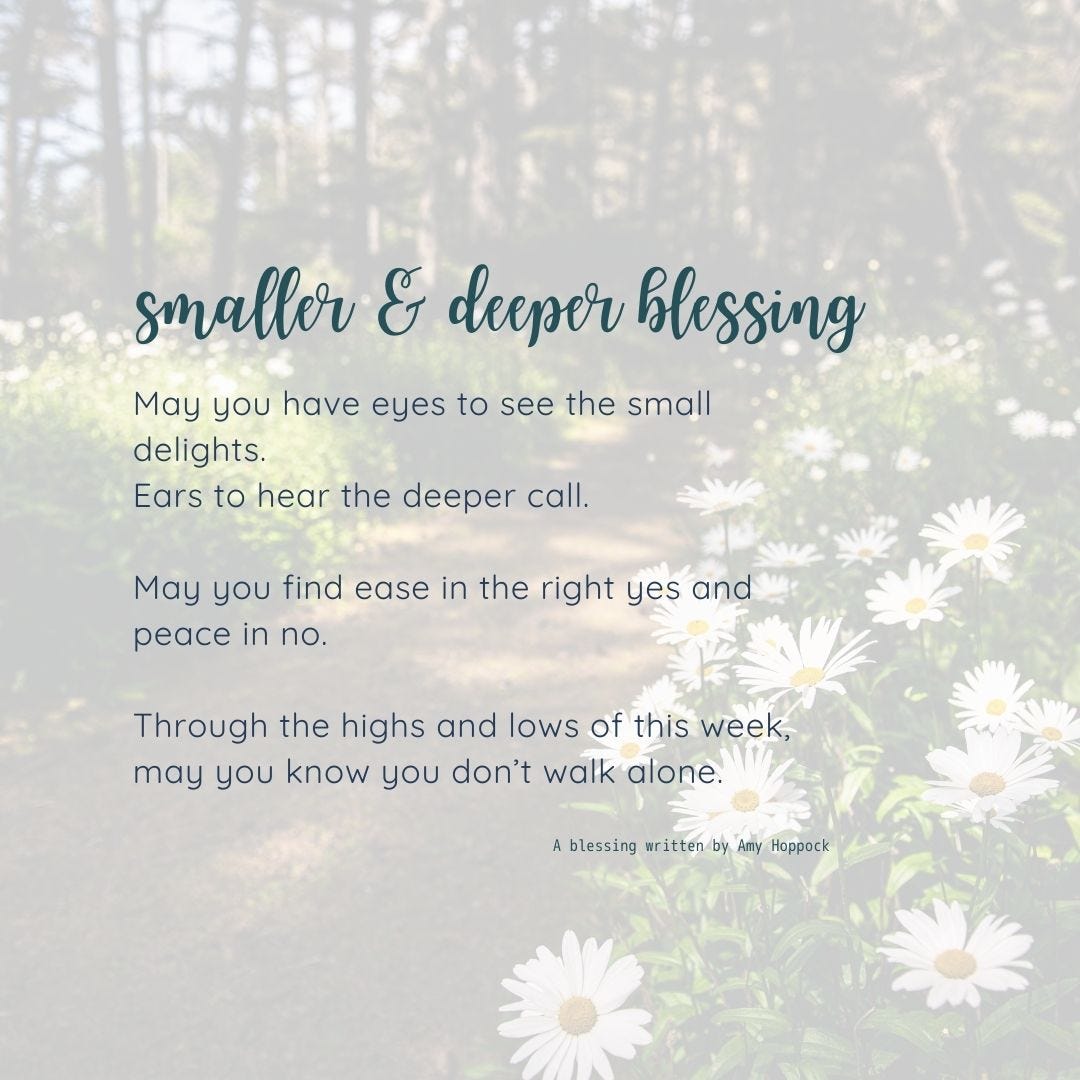
May you find thresholds from Chronos into kairos as you flow through your week. As life unfolds, may you remember the wisdom of kairos, which is that all things happen at the right time, in the right way. May you savor, share, unfold, unhurriedly enjoy, and animate your Chronos time.

Where have you experienced kairos?
What did it feel like?
What made it kairos?
How do you feel when you remember that period of kairos time?
When did you experience kairos this past week?
What were you doing?
How did you know it was kairos time?
Notice your language about time.
What does it tell you about your belief about time?
Are there any changes you would like to make when thinking about and referring to time?


As you read this collection of quotes and wisdom about time and our relationship with time. Consider if there is an invitation for you to renegotiate your relationship with time.
"Our uneasiness and our frantic scrambling are caused by our distorted sense of time, which seems to be continuously running out. Western culture reinforces this conception of time as a limited commodity. We are always meeting deadlines; we are always short of time, we are always running out of time."
— Brother David Steindl-Rast in The Music of Silence
"The more you think and worry about time, the more you will be controlled by it, and the faster it will appear to pass. The less you concern yourself with time, the freer you become, and there is always plenty of time."
— Scott Shaw in Zen O'clock: Time to Be
"The Kairos moments are the defining moments in our lives, the moments of new insight, of deeper understanding — moments when everything changes. Kairos times are the times in our lives when we can see the hand of God at work."
— Bonnie Thurston in To Everything a Season
"Liturgical time is essentially poetic time, oriented toward process rather than productivity, willing to wait attentively in stillness rather than always pushing to get the job done."
— Kathleen Norris in The Cloister Walk
"Relax and enter into a timeless zone; nowhere to go, nothing to do, free of scheduling and appointments, free of past and future thoughts and memories and plans. Simply and attentively present, you are cultivating newness-awareness."
— Lama Surya Das in Buddha Standard Time“The often heard lament, “I have so little time,” gives the lie to the delusion that the daily is of little significance. Everyone has exactly the same amount of time, the same twenty—four hours in which many a weary voice has uttered the gospel truth: “Sufficient unto the day is the evil thereof” (Mt 6:34, KJV). But most of us, most of the time, take for granted what is closest to us and is most universal. The daily round of sunrise and sunset, for example, that marks the coming and passing of each day, is no longer a symbol of human hopes, or of God’s majesty, but a grind, something we must grit our teeth to endure. Our busy schedules, and even urban architecture, which all too often deprives us of a sense of the sky, has diminished our capacity to marvel with the psalmist in the passage of time as an expression of God’s love for us and for all creation: It was God who made the great lights, whose love endures forever; the sun to rule in the day, whose love endures forever; the moon and stars in the night, whose love endures forever. (Ps 136: 7—9, GR) When”
―Kathleen Norris, The Quotidian Mysteries: Laundry, Liturgy and "Women's Work"
Heavenly God, in you we live and move and have our being: We humbly pray you so to guide and govern us by your Holy Spirit, that in all the cares and occupations of our life, we may not forget you, but may remember that we are ever walking in your sight; through Jesus Christ our Lord. Amen.
— Book of Common Prayer
Thank you for the thoughtful essay on time. I definitely have similar memories which would qualify as kairos moments - places where time seemed to stop and all that mattered was being there. Since I’ve been engaged in a contemplation practice, I’ve been viewing time differently for sure. It’s like there’s this whole other world just waiting for us to step into it! A world where time is ample and there’s no need to keep track of it…