

World in a Peach Cup

This past week, my daughter, husband, and I volunteered with a group at the Idaho Food Bank. Our task during the two-hour volunteer session was to put ingredient stickers on individual serving peach cups. One of the major fruit cup manufacturers had donated A LOT of unlabeled plastic fruit cups; there were pallets and pallets of small, plastic cups of cut peaches. Our job was to apply the sticker, place 20 cups in a bag, and put four bags of 20 cups in a box for local food pantries around the state. It was fun work. We all left excited about the time spent labeling fruit cups, which will, this week, be in homes, kitchens, and stomachs of our neighbors who are struggling.
On my walk along Dry Creek after we returned from volunteering, I was pondering how many hands and individuals have touched those peach cups. Someone selected the peach variety, planted an orchard, and cared for the plants (for several seasons) as they grew to maturity.
Someone harvested the peaches. The peaches were transported to a processing facility, where they were loaded, unloaded, washed, skinned, cooked, and packaged.
Then, they were stored, transported, and received.
We had a little boy filling white tubs of unmarked peaches and bringing them to the tables where 18 people were labeling them. From our hands, they will be stored, sorted, transported, received, stocked on shelves, and then, finally, delivered to a family, and I like to think that before they even get home, some eager kids will say, “Look, Mom! Peaches, can we have one now?”
I cannot fully or accurately conceive of how many hands and souls have touched, literally or through their decision-making, a single plastic bowl of cut peaches. We live, move, breathe, and have our being in a world elegantly and radically entangled with our neighbors.
Peach cups don’t magically appear on the grocery store shelves. So. Many. Hands. Get them to my pantry.
When I look around the space I am writing in, there is a candle, books, and a chair. Every object can, and does, tell a story of interconnectedness, if I’m willing to listen.
Tracing the story of a single plastic peach cup surprised me as a meditation and a spiritual practice of re-remembering I am part of an elaborate and beautiful web of human interconnectedness.
Our lives are lived in community, with echoes of souls we will never know reverberating in our spaces, entertainment, transportation, and food. It’s a sacred, transformative practice to listen, feel, and honor the unseen hands, hearts, minds, and souls that, however briefly, cross our own.
Bundled against the cold, with the sun beginning to dip below the horizon, and a distant owl hooting, I paused on my reflective walk to whisper a blessing for the unseen fellowship of peach cup makers I joined.
May they be happy.
May they know love and peace.
May they be safe.
And may the peaches we all partnered to produce fill, delight, and offer hope to a mother working hard to feed her family.
Maybe it’s too whimsical, too magical, or mystical to trace the path of peaches.
Mary Oliver, in her poem, “The World I Live In,” writes,
You wouldn’t believe what once or
twice I have seen. I’ll just
tell you this:
only if there are angels in your head will you
ever, possibly, see one.+ Mary Oliver
Only if we seize the invitation to embrace, see, feel, and honor our connectedness will we be broken open by the wonder and heartbreak of the world and our fellow humanbeings joining us in all that it takes to enjoy a bowl of peaches. A world of longing, hopes, work, concern, and care is infused in each bowl of peaches.
The invitation of the peach cups has been to remember my connection to humans, whom I will never know, and yet, we are connected through a tiny bowl of peaches.


The Buddhist practice of Loving-kindness meditation inspired my prayer and blessing for my fellow “peach cup” people.
Loving-Kindness meditation, as I understand it, holds up self, those we know and love, those who challenge us, and the world in a light and posture of “loving-kindness.” Often phrases like, ‘May you be happy. May you be healthy. May you live at ease and be at peace.” is used. (You can Google and find many examples of loving-kindness meditations!)
Choose an object in your kitchen and consider how many hands and souls were involved in getting it to your home. Offer gratitude and thanks to the unseen, unknown people whose labor, care, and concern are on your pantry shelf.
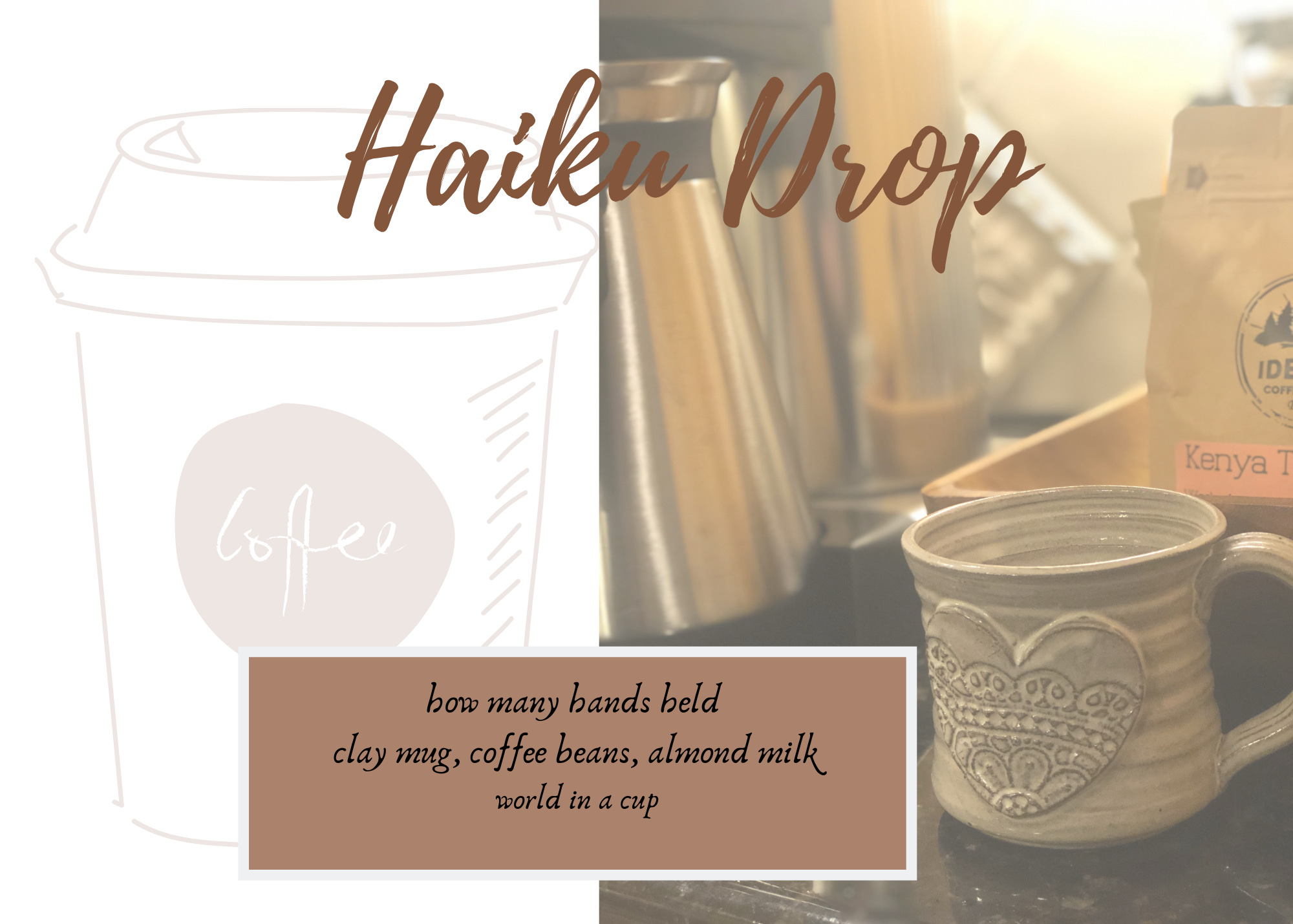

May these wise words on innerconnectedness sparkle and guide. Read each quote slowly, intentionally, when a word, phrase, or idea seems to sparkle with meaning (or dis-ease), pause and see what invitation might be offered.
“Love is wise; hatred is foolish. In this world, which is getting more and more closely interconnected, we have to learn to tolerate each other, we have to learn to put up with the fact that some people say things that we don't like. We can only live together in that way. But if we are to live together, and not die together, we must learn a kind of charity and a kind of tolerance, which is absolutely vital to the continuation of human life on this planet.”
― Bertrand Russell
“My brother asked the birds to forgive him: that sounds senseless, but it is right; for all is like an ocean, all is flowing and blending; a touch in one place sets up movement at the other end of the earth. It may be senseless to beg forgiveness of the birds, but birds would be happier at your side –a little happier, anyway– and children and all animals, if you yourself were nobler than you are now. It’s all like an ocean, I tell you. Then you would pray to the birds too, consumed by an all-embracing love in a sort of transport, and pray that they too will forgive you your sin.”
― Fyodor Dostoyevsky, The Brothers Karamazov
“Compassion is reciprocal. As you develop your own mental and emotional stability and extend that stability through a compassionate understanding of others and dealing with them in a kind, empathetic way, your own intentions or aspirations will be fulfilled more quickly and easily. Why? Because if you treat others compassionately—with the understanding that they have the same desire for happiness and the same desire to avoid unhappiness that you do—then the people around you feel a sense of attraction, a sense of wanting to help you as much as you help them.
…In a sense, compassion practice demonstrates the truth of interdependence in action. The more openhearted you become toward others, the more openhearted they become toward you.”
― Mingyur Rinpoche, The Joy of Living: Unlocking the Secret and Science of Happiness
“Our minds swell into each other like a million currents at sea. We merge, we converge. Everyone flows into everyone else with our even realizing. Even cockroaches play their part. We aren't just a person, we aren't just a gender, we aren't just an age, we aren't just a nationality, we aren't even just a species. The walls between us are imaginary. The thoughts we have that are ours are gloriously unique but also gloriously in the same continuing spectrum. Love, fear, grief, guilt, forgiveness. These are the standard in the repertoire. These are the cover versions we get to play. But to be alive is to be a life. To be life. We are life. The same ever evolving life. We need each other. We are here for each other. The pain of life is life. All life. We need to look after each other. And when it feels like we are truly, deeply alone, that is the moment when we need to do something in order to remember how we connect.”
― Matt Haig, The Life Impossible
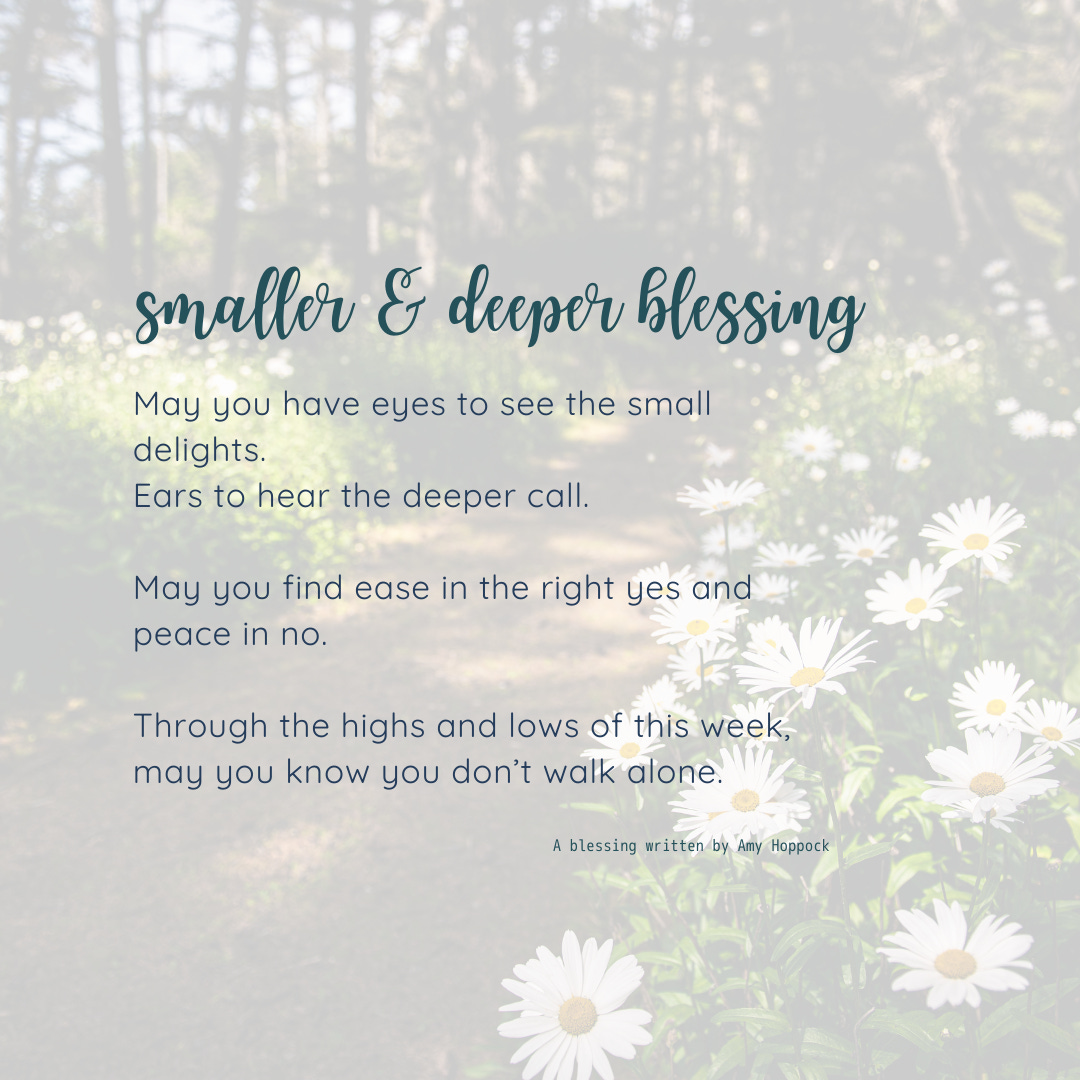
Yay, Haiku Drop!